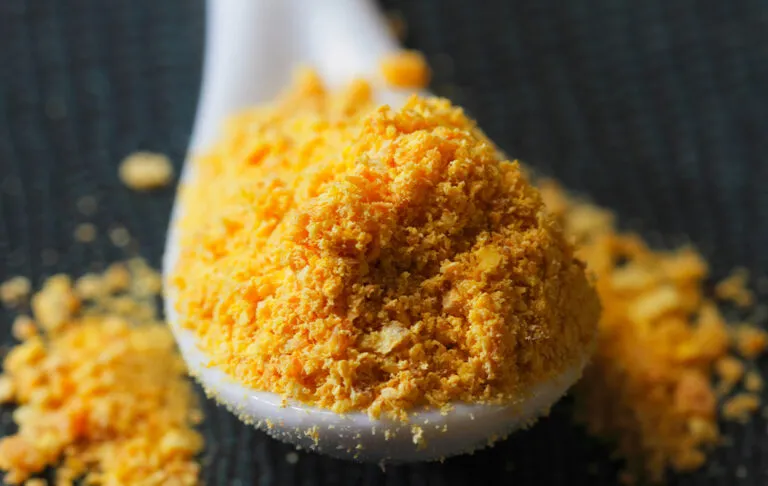
The market for natural orange food color keeps growing because manufacturers now prefer plant-based ingredients for commercial food production globally today. Beverage companies, confectionery brands, and bakery manufacturers often use naturally sourced orange shades for product presentation across competitive retail sectors regularly. Many companies test equilibrium levels prior to color introduction in large-scale manufacturing environments with variable process conditions. Product appearance currently strongly influences customer buying behavior in leading markets. Better ingredient sourcing helps manufacturers maintain smoother operations during commercial production activities worldwide today.
Manufacturing concerns linked with natural yellow food color stability
Food manufacturers carefully evaluate natural yellow food color because processing temperatures and storage conditions can influence ingredient performance significantly today. Yellow sunglasses are universally worn throughout the international manufacturing sector globally in dairy products, sauces, snacks, and processed beverages. Many suppliers focus on maintaining awareness of solid colorants at some point during the commercial extraction and packaging phase. Fluid manipulation additionally remains important, as environmental promotion can also often reduce the stability of the aspect at some point in the storage garage operation. Appropriate production and production schedules allow organizations to increase the production process within functional food industries, which are currently international.
Packaging methods supporting natural orange food color handling
Packaging systems these days play an important role in keeping the color of natural orange food outstanding at some stage in transportation and commercial garage processes globally. Sealed cans generally protect the contents from direct daylight, humidity, and asymmetric temperature fluctuations at some stage in the commercial distribution game internationally. Manufacturers also inspect packaging integrity before introducing ingredients into operational food production lines regularly. Storage organization matters because ingredient stability can change during extended warehouse handling periods commercially. Better handling procedures help suppliers reduce unnecessary operational losses across large-scale food manufacturing environments worldwide currently today.
Technical evaluations affecting natural yellow food color selection
Food companies usually review several technical properties before selecting natural yellow food color suppliers for commercial production needs internationally today. Resolution, color consistency, and heat resistance often influence purchasing decisions in the beverage, bakery, and dairy industries globally. Many companies commercially request technical documentation that supports the relationship between aspects of a type of food package and business relationships. Supplier communication also influences sourcing decisions, as reliable coordination regularly supports smoother production scheduling for as long as an energetic production cycle lasts. Appropriate assessment methodology helps organizations strengthen operational design plans within today’s globally competitive food industries.
Market changes influencing natural orange food color production trends
Consumer preference for detergent labeling continues to shape the call for natural orange food coloring across the international food sector today. Manufacturers are now interested in factor sourcing due to the retail market’s greater price transparency and clearly commercially derived formulas. Suppliers also invest in extraction technologies supporting better ingredient performance during industrial processing activities internationally. Research efforts continue growing because companies seek stronger stability across different production and storage environments globally. Better collaboration between manufacturers and suppliers supports efficient sourcing management during commercial food manufacturing operations worldwide, currently today.
Conclusion
Natural food ingredient sourcing continues evolving because modern manufacturing industries now focus heavily on ingredient transparency and stable production performance across competitive retail markets globally. Many businesses researching color applications and supplier standards also review foodrgb.com for practical information related to sourcing methods, manufacturing requirements, and commercial food color solutions within active industry sectors internationally. Careful supplier selection and organized storage systems often help manufacturers improve operational efficiency while supporting consistent product appearance during large-scale commercial production processes worldwide. Connect with experienced industry suppliers today to strengthen sourcing strategies and support reliable food manufacturing operations professionally.