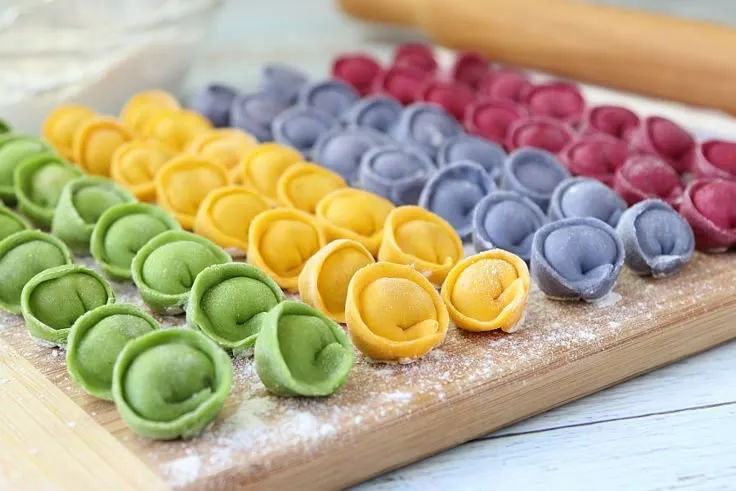
When a food product is taken from the concept stage to regular commercial production, choosing an appropriate color ingredient is particularly critical. Natural food coloring can offer manufacturers a variety of naturally sourced colors for each product category, and by examining the ingredient, businesses can determine which is right for their manufacturing process.
Define the Product Requirements
Manufacturers can determine the specifications of the product prior to choosing a color ingredient. The food category, the desired shade, formulation type, processing method and desired production volume can all serve as a good starting point.
The properties of a drink can be different than those of a confectionery product, a dairy formulation, a sauce, a bakery product or a dessert. The specific look or appearance that is desired for the product should also be specified, whether it is a soft pastel color, a warm golden color, a rich red color or any other appearance. Standards that are less ambiguous focus the assessment process.
Explore Different Color Sources
Fruits, vegetables, plants, spices and other botanical ingredients are just some of the sources for naturally derived colors. Different sources can provide varying color attributes and uses.
Beetroot for red hues, turmeric for yellow hues, annatto for yellow and orange hues, and black carrot for deep red/purple hues are all options that can be considered by manufacturers. When creating unique product looks, other sources can be used. Multiple sources are beneficial for product developers in matching the product concept with the selected color.
Consider the Natural Food Color Manufacturer
There are other factors to consider when selecting a natural food color manufacturer other than the look of an ingredient sample. Manufacturers can check the product range, the range of ingredients, technical information, guidance for application and supply capabilities.
An effective assessment should not just be about the product’s suitability for the food application, but also whether the manufacturer’s color solutions are appropriate for the food production process. The product developer may also have to discuss his requirements for formulation with the supplier of the ingredient before he chooses the ingredient. This can assist in determining the best choice for the product that will be created from the options available, instead of a general description of color.
Request Samples Before Scaling
In small-scale testing, valuable information may be developed which can help manufacturers to proceed to larger commercial quantities. A sample can be mixed into the formulation itself to test the color that will come out of the sample in actual use.
Developers can compare the various levels of application and view the dispersion and intensity of the color, as well as the overall appearance. Testing can also give an insight into the interaction between the ingredient and other ingredients in the product. After finding a suitable formulation, the results can be a valuable reference for future production decisions and purchasing.
Evaluate Processing Conditions
Mixing, heating, baking, cooling, freezing, drying, filling or other processes may be incorporated into commercial food production. The color chosen should be judged based on the conditions that it will go through.
Development trials allow manufacturers to reproduce key stages of the manufacturing process. This makes it easier for teams to see how the color will react in the process and to find a suitable stage to add color.
Other factors related to storage may also be considered in the assessment. It is important to look at the product once it has finished development to see how it will perform under the standard storage conditions it will be subjected to, so that this can inform further development of the final formulation.
Select the Right Ingredient Format
Natural colors can be provided in various forms such as powdered and liquid. The format used will vary based on the food application, equipment, formulation, moisture content and method used to incorporate the powder.
The manufacturers should think about the ease of measurement, mixing and dispersion of the ingredient in the product. The format can be pragmatically tested to see if it is easily accommodated in the current production process. Technical documentation can also assist with this decision and offer valuable information regarding handling and application.
Plan for Commercial Supply
Any color ingredient used in the development of a product should also be suitable for normal production. Some factors businesses can take into account include what they anticipate getting, packaging methods, ordering timetables, and future manufacturing needs.
Preplanning these factors can help make the process of going from development to commercial production a more orderly process. It can also assist procurement teams to put in place a clear procedure for repeat orders. When manufacturers are designing multiple products, they also should ask if their supplier can provide complementary color products for various applications.
Establish Consistent Specifications
After the appropriate color is selected, the concentration, addition, mixing process and processing conditions, and the desired appearance can be recorded.
These specifications can be used as a guide for the production team and can contribute to consistency between batches. They can also help in the future development of similar shades to be easier to make. When the color requirement is clear, it is incorporated into the larger body of formulation information that is available for commercial manufacture.
Conclusion
Selection of color(s) for commercial foods is best accomplished by applying a holistic perspective to the product rather than just its color. Examining color sources, supplier’s capabilities, samples, formulation conditions, ingredient formats, processing needs, and future color supply needs can make selection more practical. When developing a food product and considering using natural colors, go to foodrgb.comto explore options and bring your color research to production.